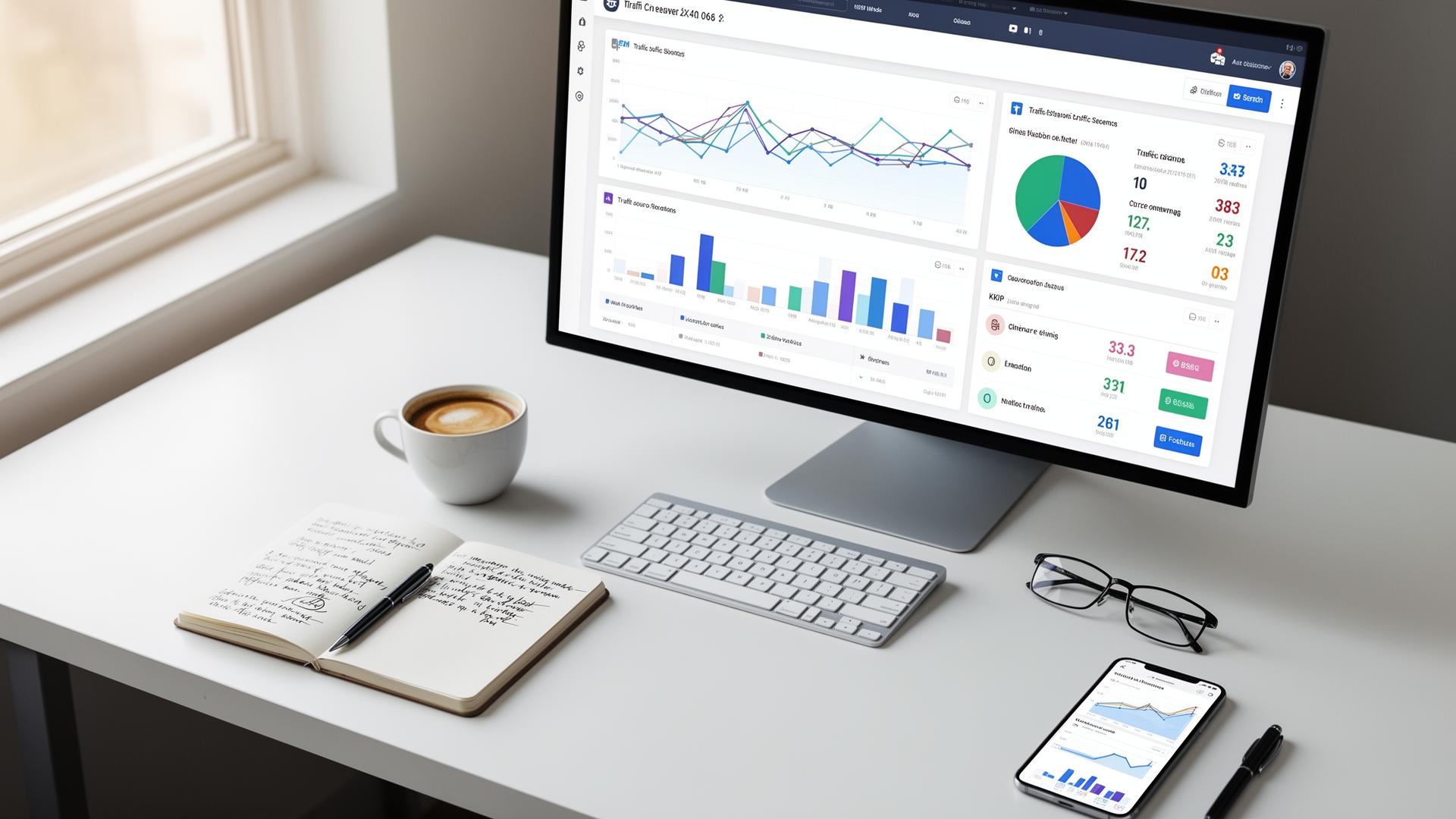
The Key Elements of a High-Converting Website
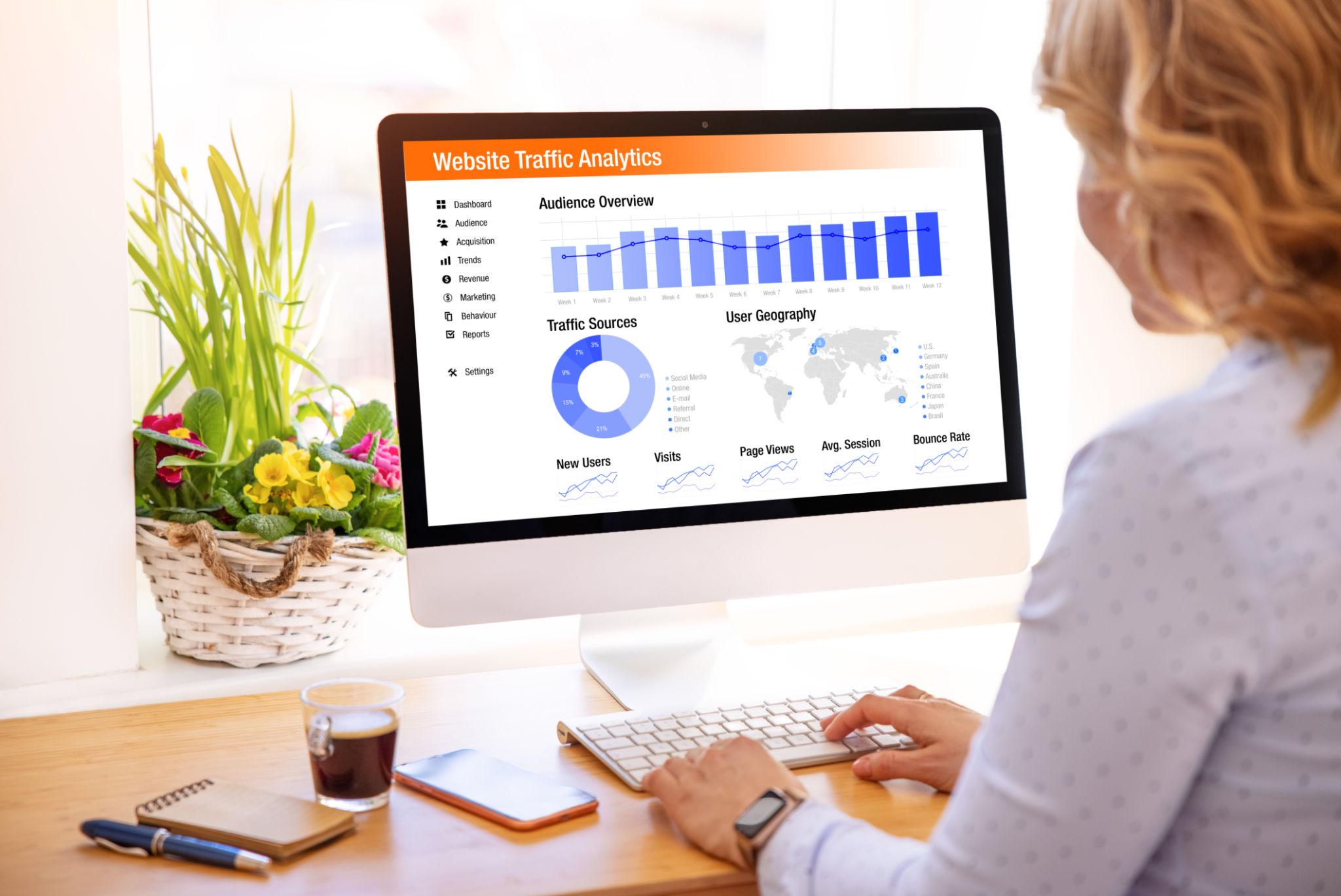
What Makes a Website Actually Convert?
A beautiful website is great—but a high-converting website is what drives real business results. The difference comes down to structure, clarity, and user experience.
Clear Messaging Comes First
Visitors should never have to “figure out” what you do. Within seconds, your homepage should clearly answer:
- What you offer
- Who it’s for
- How to get started
Confusion is the fastest way to lose a potential client.
Strong Calls-to-Action (CTAs)
Every page should guide users toward the next step. Whether it’s booking a call, filling out a form, or viewing your services, your CTAs should be:
- Clear
- Visible
- Action-oriented
Examples:
- “Schedule a Consultation”
- “Get Started Today”
- “Request a Quote”
Mobile Optimization Is Non-Negotiable
The majority of users are browsing on mobile devices. If your site isn’t optimized for smaller screens, you’re likely losing a significant portion of your audience.
A responsive design ensures your site looks and functions seamlessly across all devices.
Speed and Performance Matter
A slow website frustrates users and negatively impacts your search rankings. Fast load times and smooth interactions create a better user experience—and increase conversions.
Trust Signals Build Confidence
To turn visitors into clients, your site should include elements that build trust:
- Testimonials
- Clear contact information
- Professional design
- Consistent branding
Discover the latest insights and breakthroughs in this field.
Explore additional articles that provide in-depth diverse viewpoints on this topic

Why Organizing Website Content Externally Can Save Time During a Website Redesign